
The Clues
It all looked fine at first. The water hummed through the pump. The filter gauge read normal. The homeowner grinned smugly. “Everything’s perfect,” they said.
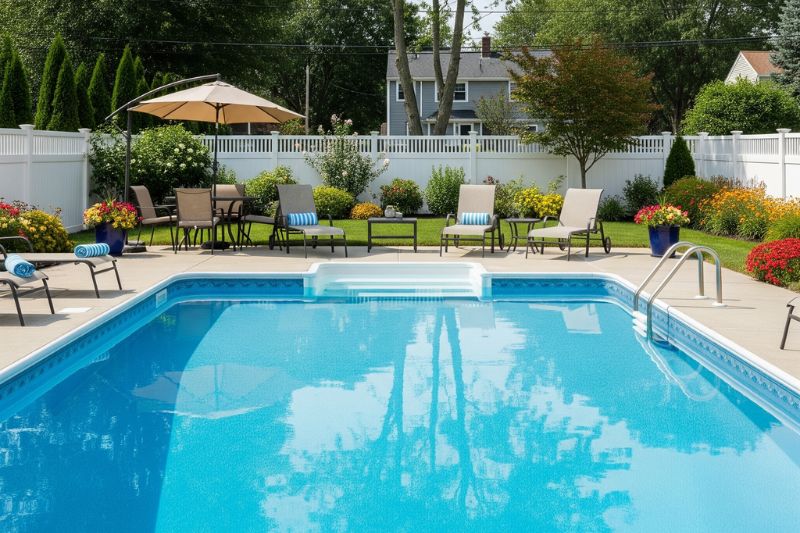
But the pool still looked… tired. Slightly cloudy. Not inviting. Like it was holding a grudge.
We noticed the pH test strip sitting on the table. Unused for weeks. The chlorine tabs barely touched.
The Interrogation
We rounded up the suspects: the pump, the filter, the skimmer, and the test kit.
“I run the filter every day,” the owner insisted. “I even backwashed it last month!”
We leaned in.
“When did you last test and adjust the water chemistry?”
Silence.
The Misleading Evidence
The filter was fine. Pressure steady. Flow good.
But even the best filter can’t fix acidic water. Or a sanitizer level that’s barely hanging on. Chemistry is what keeps water inviting. The filter just moves it around.
Ignoring the pH, chlorine, and alkalinity is like brushing your teeth but never flossing. Eventually, things go bad.
The Real Culprit
We finally tested the water. pH was way off. Alkalinity low. Free chlorine barely detectable.
The pool had been screaming for help in silence. The filter had been blamed for doing a job it was never meant to do alone.
We adjusted the chemicals, slowly. No panic dumping. Just care.
Case Closed
The water shimmered again. Not perfect overnight but alive.
We left the homeowner with a checklist:
- Test pH and chlorine twice a week
- Keep pH between 7.4–7.6
- Maintain free chlorine at recommended levels
- Don’t rely on the filter to do what chemistry must
- Adjust alkalinity and calcium as needed
Even the best filter is just a helper. The real work happens when chemistry and filtration work together.
Case closed. Don’t ignore your test kit next time.