
Phosphates in pool water are food for algae – nothing more, nothing less. They do not directly cloud your water, consume your chlorine, or harm swimmers. But if your chlorine ever dips and phosphate levels are high, algae has everything it needs to take off fast. The short answer: you do not need to chase every trace of phosphates, but if you are consistently fighting algae and your levels are above 500 ppb, phosphates are worth dealing with.
What Are Phosphates and Where Do They Come From?
Phosphates are compounds containing phosphorus, and they enter your pool from a surprising number of directions. Lawn fertilizers washing off during rain are the biggest culprit for most backyard pools. Leaves, grass clippings, dirt, and debris all carry phosphates into the water. Some pool chemicals – including certain algaecides and clarifiers – actually contain phosphates as part of their formula, which is a quiet irony. Tap water in many regions carries measurable phosphate levels right out of the hose. Even sunscreen and swimmer sweat contribute in small amounts.
The result is that phosphates are basically unavoidable. If you have a pool and there are plants, soil, or people anywhere near it, you will have some phosphates. The question is never whether they are present – it is whether the level is high enough to matter.
Do Phosphates Actually Cause Algae?
Phosphates do not cause algae on their own. Algae needs three things to grow: water, sunlight, and nutrients – phosphates being the main nutrient in a pool environment. If your chlorine is properly maintained at 2-4 ppm and your pH is in range (7.4-7.6), algae cannot establish itself even when phosphate levels are elevated. Chlorine kills algae cells before they can reproduce. Phosphates only become a real problem when chlorine slips, because that is when algae seizes on the available nutrients and multiplies quickly.
Think of phosphates as dry kindling. It is not dangerous sitting there, but if a spark (low chlorine) ever hits it, the fire catches fast. Pools with high phosphates and rock-solid chlorine can go a full season without an algae bloom. Pools with moderate phosphates and inconsistent chlorine will fight green water all summer.
When Should You Actually Treat Phosphates?
Treat phosphates when levels consistently test above 500 ppb, especially if you have had recurring algae problems or your pool is surrounded by heavy vegetation and fertilized lawn. At levels above 1,000 ppb, algae can establish itself so quickly after a chlorine dip that it feels like you are losing a constant battle. If you shock the pool, it clears up, and three days later it is green again – high phosphates combined with inconsistent chlorine is usually the culprit.
You do not need to treat phosphates if your levels are below 200-300 ppb and you are not having algae problems. Some pool service companies recommend phosphate removers as a routine add-on regardless of levels. That is not bad advice, but it is not necessary for every pool. Test first, then decide.
How to Test and Treat Phosphates in Your Pool
Standard test strips and home test kits usually do not include phosphate testing. You need either a phosphate-specific test kit or a visit to a pool store that offers water analysis. Many pool stores will test a water sample for free and give you a reading in ppb (parts per billion). Testing once at the start of the season and once mid-summer is enough for most pools.
To lower phosphates, follow these steps:
- Test your phosphate level to confirm it is worth treating (above 500 ppb).
- Balance your water chemistry first – pH, alkalinity, and chlorine should be in range before adding a phosphate remover.
- Dose the phosphate remover according to the label based on your pool’s volume. Do not estimate; measure your pool’s gallons accurately.
- Run your filter continuously for 24-48 hours after dosing. The remover works by binding phosphates into particles that your filter traps.
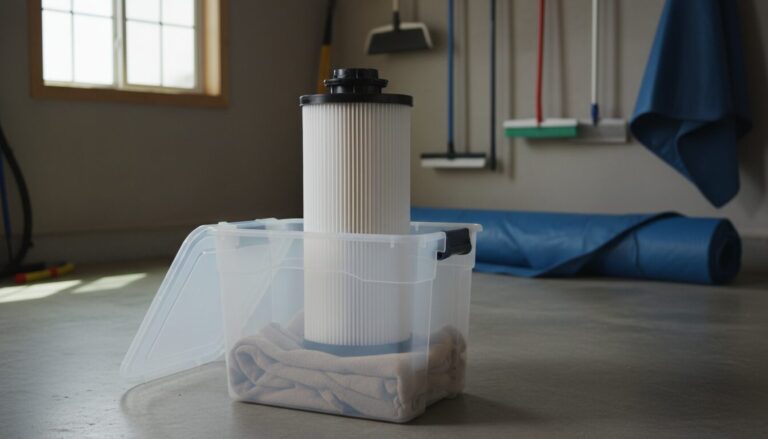
- Clean or backwash your filter thoroughly after treatment. This step is critical – if you skip it, the trapped phosphates can leach back into the water.
One note on filter maintenance: if your filter pressure is reading high before you even start this process, deal with that first. A clogged or overdue-for-service filter will not remove the phosphate particles effectively. If you are not sure what to watch for, pool pumps hate it when you ignore the pressure gauge – it is worth reading before you run any extended filter cycle.
Is Phosphate Removal a Scam?
Not exactly, but it gets oversold. The pool chemical industry has leaned hard into phosphate removers over the last decade, and the pitch can make it sound like phosphates are the root cause of every algae problem. They are not. Inadequate chlorine is the root cause. Phosphates are an accelerant.
That said, phosphate removers do work as described. They bind phosphates, your filter catches them, and your levels drop. In pools with heavy organic loads – lots of trees, frequent swimmers, or fertilized turf nearby – keeping phosphates in check is a legitimate part of a low-maintenance routine. AquaDoc makes a phosphate remover that pool owners use as part of a broader water balance program, which is the right framing: one tool among several, not a silver bullet.
The mistake most people make is treating phosphates instead of fixing chlorine consistency. If your free chlorine is dropping to zero between visits and you have got algae, a phosphate remover will not solve that. A better dosing schedule, a stabilizer check (target 30-50 ppm CYA for outdoor pools), and possibly a basic water quality review from a pool service pro will do far more than any phosphate product.
What About Salt Pools and Phosphates?
Salt chlorine generators do not change the phosphate equation. Phosphates accumulate the same way in a saltwater pool, and high phosphate levels can stress a salt cell by promoting algae growth that strains the system. If you have a salt pool and are fighting persistent algae despite a functioning cell, test phosphates – it is an underdiagnosed issue in saltwater pools specifically.
Frequently Asked Questions
What causes high phosphates in pool water?
The most common sources are lawn fertilizers, leaves, dirt, and runoff washing into the pool. Certain pool chemicals, tap water, and even swimmer sweat can add phosphates too.
Do phosphates affect chlorine levels?
Phosphates do not directly consume or neutralize chlorine. Their main impact is indirect: they feed algae growth, which then burns through your chlorine faster.
What phosphate level is too high in a pool?
Most pool professionals consider anything above 500 ppb worth addressing. Levels above 1,000 ppb can make algae significantly harder to control, especially if chlorine dips at all.
Can you swim in a pool with high phosphates?
High phosphates alone are not harmful to swimmers. The concern is what happens downstream: algae blooms fueled by phosphates create a water quality and safety problem worth preventing.
How do you lower phosphates in a pool?
Use a phosphate remover, dose according to the label based on your pool’s volume, run the filter continuously for 24-48 hours, and clean or backwash the filter thoroughly afterward. The remover binds phosphates into particles your filter traps – so a dirty filter defeats the whole process.
Phosphates are a real factor in pool chemistry, but they are not the villain they are sometimes made out to be. Keep your chlorine consistent, test phosphates once or twice a season, and treat them if levels are high enough to matter. Everything else is noise.