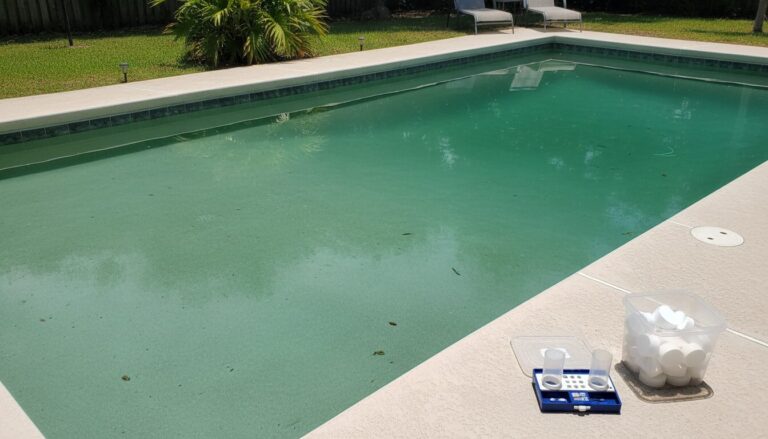

Phosphates in your pool are a food source for algae, not a direct cause of your problems. If your chlorine is where it should be (free chlorine between 2-4 ppm, with the right CYA level to back it up), phosphates become nearly a non-issue. They only matter when something else is already going wrong. That said, very high phosphate levels – above 500 ppb – can make it harder to keep a pool clear, and they’re worth managing if algae keeps coming back despite solid chlorine maintenance.
What Are Phosphates, and Where Do They Come From?
Phosphates are compounds containing phosphorus, and they enter pool water from more sources than most people realize. The biggest contributors are fertilizer runoff (especially if your yard gets treated and then it rains), leaves and plant debris falling into the water, and fill water from municipal supplies, which often contains measurable phosphates from water treatment additives. Swimmers themselves bring phosphates in through sunscreen, body wash residue, and sweat. Some pool chemicals, including certain algaecides and clarifiers, also add phosphates directly to the water.
Once phosphates get into the water, they don’t break down or evaporate. They accumulate. A pool that gets a lot of debris, heavy swimmer traffic, or sits near a fertilized lawn will see phosphate levels climb steadily through the season unless steps are taken to remove them.
Why Does Anyone Care About Phosphates?
Phosphorus is one of the three nutrients algae needs to thrive – the others being nitrogen and carbon dioxide. When phosphate levels are high, algae has a well-stocked pantry waiting for the moment your chlorine slips. Pool service companies began paying closer attention to phosphates in the 2000s as testing became more accessible, and some in the industry started treating them as a root-cause problem. The truth is more nuanced: phosphates don’t cause algae in a sanitized pool, but they do make recovery harder when chlorine drops.
The practical concern is this: a pool with 2,000 ppb of phosphates and a chlorine lapse will turn green faster than a pool with 100 ppb in the same situation. High phosphates lower your margin for error. For a pool owner who maintains chlorine consistently, that margin may not matter. For someone who travels frequently, gets a lot of rain runoff, or has a heavy bather load on weekends, it can absolutely make a difference. The team at River Pools and Spas has written about how nuanced pool chemistry decisions like this one often come down to the specific conditions of your pool rather than a universal rule – and phosphates are a good example of that.
What Phosphate Level Should Actually Concern You?
The industry threshold most pool professionals use is 500 ppb. Below that level, phosphates are unlikely to cause real-world problems in a properly chlorinated pool. Between 500 and 1,000 ppb, you may notice that algae outbreaks become more frequent or harder to clear. Above 1,000 ppb, you have a legitimate phosphate problem worth treating – especially if you’re already fighting recurring algae and your chlorine has been consistent.
Test phosphate levels with a reliable kit or take a water sample to a pool store. Most standard test strips don’t measure phosphates, so you’ll need either a dedicated phosphate test kit or a liquid reagent test. If your reading comes back under 200 ppb and your pool is staying clear, there’s no reason to spend money on a remover.
How Do You Actually Lower Phosphates?
Phosphate removers are the standard treatment, and they work by binding phosphates into particles that clump together and get captured by your filter. Most products use lanthanum compounds as the active ingredient. The process creates temporary cloudiness – that’s normal and expected. Run your filter continuously for 48 hours after treatment and clean or backwash it when done, because it will be working hard.
Here’s the process if you decide to treat:
- Test and confirm your phosphate level before buying anything. Know what you’re treating.
- Balance pH and alkalinity first. Phosphate removers work best in balanced water (pH 7.4-7.6, total alkalinity 80-120 ppm).
- Dose according to your phosphate level and pool volume. Underdosing is the most common mistake – calculate your gallons and don’t guess.
- Add the remover to the pool with the pump running. Pour it slowly near a return jet, not all at once in one spot.
- Run the filter continuously for 48 hours. Expect cloudy water; it should clear within that window.
- Clean your filter thoroughly afterward. If you skip this step, the phosphates just go back into the water.
AquaDoc makes a phosphate remover built around lanthanum chloride that pool owners use for exactly this process – it’s one of those products where following the dosing instructions carefully makes the difference between a clear pool and a milky mess for a week.
When Is a Phosphate Remover Actually Worth It?
If your chlorine is well-managed and you haven’t had algae problems, skip the remover. It’s an added cost and an extra maintenance step that doesn’t solve a real problem you have. Spend that energy on keeping your free chlorine at the right level relative to your CYA, which is the actual lever that keeps algae out.
A phosphate remover is worth buying when: your phosphate test reads above 500 ppb, you’re dealing with recurring algae despite good chlorine habits, you have a lot of organic material entering the pool regularly (heavy tree coverage, frequent rain runoff from a fertilized lawn), or you’re closing the pool for winter and want to reduce the nutrient load going into the off-season.
One thing to know: removing phosphates does not replace shocking or algae treatment once algae is already present. Kill the algae first with a proper chlorine shock – see the detailed breakdown on pool shock and algae treatment if you’re in that situation right now. Then, after the pool is clear, lower phosphates to reduce the odds of it coming back.
Common Mistakes Pool Owners Make with Phosphates
- Treating phosphates instead of fixing chlorine. If your pool turned green, low chlorine is almost always the cause. Don’t buy a phosphate remover as a substitute for shocking the pool.
- Underdosing the remover. Most products require different doses for different phosphate ranges. Read the label, calculate your pool volume accurately, and dose for your actual reading – not a rough guess.
- Not cleaning the filter after treatment. This is where the phosphates end up. Skip the filter cleaning and you’ve wasted both the product and the effort.
- Treating once and assuming it’s solved. If the source of phosphates hasn’t changed (the lawn still gets fertilized, the trees still drop leaves), levels will climb again. Test every 4-6 weeks during peak season if phosphates are a recurring issue for you.
Frequently Asked Questions
Do phosphates cause algae in a pool?
Phosphates are a food source for algae, but they don’t cause algae on their own. Algae needs phosphates, carbon dioxide, sunlight, and inadequate chlorine to grow. Fix your chlorine first, and phosphates become much less relevant.
What phosphate level is too high in a pool?
Most pool professionals consider anything above 500 ppb worth addressing, especially if you’re also dealing with recurring algae. Levels under 500 ppb rarely cause noticeable problems when chlorine is properly maintained.
Do I need to drain my pool to lower phosphates?
No. A phosphate remover product handles high levels without draining. Partial dilution with fresh water can also help, but it’s rarely necessary if you use a remover and keep up with chlorine.
What causes high phosphates in a pool?
The most common sources are fertilizer runoff, leaves and organic debris, certain pool chemicals (especially some algaecides), fill water, and sunscreen or body care products brought in by swimmers.
Will a phosphate remover clear up cloudy water?
Sometimes, yes – because phosphate removers cause particles to clump and fall out of suspension, which your filter then catches. But cloudy water has many causes, and a phosphate remover is not a general clarifier. Test first, then treat.
Phosphates are one of those pool topics that gets more attention than the results usually warrant. Keep your chlorine right, stay on top of debris, and test phosphates once or twice a season. If your readings stay low and the water stays clear, you’re done. If levels keep climbing and algae keeps showing up despite solid chlorine habits, that’s when a remover earns its place in your maintenance routine.